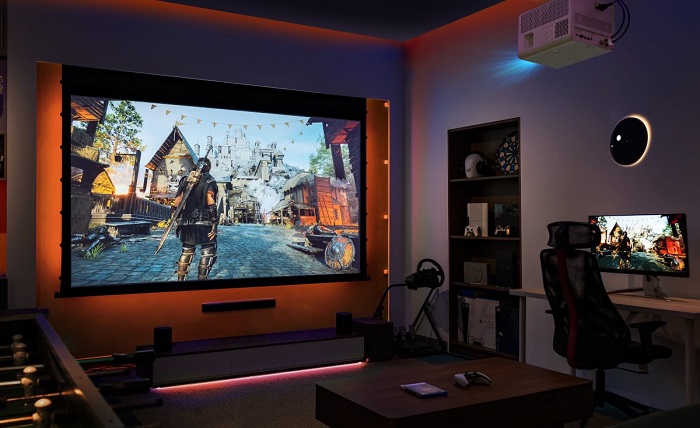
The process of set up for pblemulator is essential for users who want to run applications or games smoothly using an emulator environment on their devices. Whether you are a beginner or an advanced user, understanding the correct set up for pblemulator ensures stable performance and fewer errors during usage.
In today’s digital world, set up for pblemulator has become popular among gamers and developers who need cross-platform functionality. Emulators allow systems to simulate another operating system, making it easier to test apps or play games designed for different devices.
A proper set up for pblemulator is not just about installation—it includes configuration, optimization, and ensuring compatibility with your hardware. Without a correct set up for pblemulator, users often face lag, crashes, or performance issues.
System Requirements for Set Up for Pblemulator
Before starting set up for pblemulator, it is important to understand the system requirements needed for smooth operation. A weak system can lead to slow performance and unstable emulation.
For a proper set up for pblemulator, you should ideally have at least:
- A modern multi-core processor
- Minimum 8GB RAM
- Dedicated graphics support
- Updated operating system
When doing set up for pblemulator, storage space also plays a key role because emulator files and virtual environments can take significant disk space.
A stable internet connection is also recommended for set up for pblemulator, especially if you need to download additional files, updates, or dependencies required by the emulator.
Ensuring your system meets these requirements makes the set up for pblemulator process smoother and reduces the risk of errors during installation.
Installation Process for Set Up for Pblemulator
The installation phase of set up for pblemulator is one of the most important steps. It begins with downloading the correct emulator version compatible with your operating system.
During set up for pblemulator, always download software from trusted sources to avoid corrupted or unsafe files. Once downloaded, run the installer and follow on-screen instructions carefully.
Most users performing set up for pblemulator will be asked to choose installation paths, allocate resources, and accept system permissions. These settings help the emulator integrate properly with your device.
After installation, restarting your system is often recommended in set up for pblemulator to ensure all components are properly initialized.
Completing installation correctly ensures that your set up for pblemulator foundation is stable and ready for configuration.
Configuration Settings for Set Up for Pblemulator
After installation, configuration is the next crucial step in set up for pblemulator. This stage determines how well the emulator performs based on your system capabilities.
During set up for pblemulator, users should adjust CPU and RAM allocation according to their hardware. Overloading system resources can cause lag, while underutilization may reduce performance.
Graphics settings are also important in set up for pblemulator. Enabling hardware acceleration and choosing the right rendering mode can significantly improve visual performance.
Control mapping is another essential part of set up for pblemulator, especially for gaming users. Assigning keys or connecting controllers ensures a better user experience.
Proper configuration during set up for pblemulator ensures that the emulator runs smoothly without unnecessary crashes or performance drops.
BIOS and File Setup for Pblemulator
A critical part of set up for pblemulator involves BIOS files, system images, or ROMs depending on the type of emulator being used. These files help simulate the original environment.
During set up for pblemulator, users must ensure they use legally obtained files. Unauthorized or pirated files can lead to legal issues and software instability.
Proper file placement is also important in set up for pblemulator. Most emulators require specific folder structures for BIOS and game files to function correctly.
Verifying file integrity is another key step in set up for pblemulator, as corrupted files may prevent the emulator from launching or functioning properly.
By organizing system files correctly, your set up for pblemulator becomes more stable and efficient.
Performance Optimization in Set Up for Pblemulator
Optimizing performance is a major part of set up for pblemulator. Without optimization, even powerful systems can experience lag or stuttering.
One way to improve set up for pblemulator performance is by closing background applications. This frees up system resources for the emulator.
Another optimization method in set up for pblemulator is adjusting resolution settings. Lowering resolution can significantly improve speed on low-end devices.
Enabling GPU acceleration is also important in set up for pblemulator, as it shifts processing load from CPU to GPU for better performance.
Regular updates are crucial in set up for pblemulator, as developers frequently release patches that fix bugs and improve efficiency.
Troubleshooting Common Issues in Set Up for Pblemulator
Even with proper preparation, users may encounter issues during set up for pblemulator. Understanding common problems helps in quick resolution.
One common issue in set up for pblemulator is lag or freezing. This can usually be fixed by adjusting performance settings or updating drivers.
Another issue in set up for pblemulator is missing files or errors during launch. This often happens due to incorrect installation or corrupted downloads.
Compatibility issues are also frequent in set up for pblemulator, especially when using outdated hardware or software versions.
By identifying and fixing these issues, your set up for pblemulator experience becomes more stable and reliable.
Advanced Tips for Set Up for Pblemulator
Advanced users can enhance their set up for pblemulator experience by customizing deeper system settings.
Overclocking CPU or GPU (if supported) can improve performance in set up for pblemulator, but it should be done carefully to avoid overheating.
Using external plugins and mods is another way to enhance set up for pblemulator, especially for gaming improvements and added features.
Allocating virtual memory can also boost performance in set up for pblemulator, especially on systems with limited RAM.
Advanced configuration ensures that your set up for pblemulator reaches maximum efficiency and stability.
Security Considerations for Set Up for Pblemulator
Security is an important part of set up for pblemulator that many users overlook. Emulators often require downloading external files, which can pose risks if not handled properly.
Always ensure that your set up for pblemulator uses trusted sources for downloads to avoid malware or corrupted software.
Using antivirus protection during set up for pblemulator can help detect and prevent harmful files from affecting your system.
Avoiding unknown ROMs or BIOS files is essential in set up for pblemulator to maintain both legal safety and system stability.
A secure set up for pblemulator ensures long-term reliability and protects your device from unnecessary risks.
Conclusion
In conclusion, set up for pblemulator is a multi-step process that includes installation, configuration, optimization, and security management. Each step plays a vital role in ensuring smooth emulator performance.
A proper set up for pblemulator not only improves speed and stability but also enhances user experience across gaming and development environments. By following the correct steps, users can avoid common issues and enjoy seamless performance.
Whether you are a beginner or advanced user, mastering set up for pblemulator will help you unlock the full potential of emulation technology.
FAQs
1. What is set up for pblemulator?
set up for pblemulator refers to the complete process of installing, configuring, and optimizing an emulator to run applications or games smoothly on a system.
2. What are the requirements for set up for pblemulator?
set up for pblemulator requires a modern CPU, at least 8GB RAM, sufficient storage, and updated drivers for best performance.
3. Why is configuration important in set up for pblemulator?
Configuration in set up for pblemulator ensures proper allocation of system resources and improves emulator performance and stability.
4. Can I improve performance in set up for pblemulator?
Yes, set up for pblemulator performance can be improved by enabling GPU acceleration, closing background apps, and adjusting resolution settings.
5. Is set up for pblemulator safe?
set up for pblemulator is safe if you download software from trusted sources and avoid using unauthorized or harmful files.