Introduction
EmailEtiquette is the foundation of professional digital communication, shaping how your messages are perceived in both personal and business settings. In today’s fast-paced world, where most communication happens online, mastering email etiquette is no longer optional—it is essential. Whether you’re reaching out to a colleague, applying for a job, or networking, your ability to follow proper emailetiquette can influence outcomes significantly.
Understanding emailetiquette involves more than just grammar and spelling; it includes tone, clarity, structure, and respect for the recipient’s time. When you apply strong emailetiquette, you demonstrate professionalism, emotional intelligence, and attention to detail. Poor emailetiquette, on the other hand, can lead to misunderstandings, missed opportunities, and even damage to your reputation.
Why EmailEtiquette Matters in Professional Communication
EmailEtiquette plays a crucial role in how your message is interpreted, especially when non-verbal cues like tone of voice and facial expressions are absent. Practicing proper emailetiquette ensures that your intentions are clear and that your message is received as intended.
In professional environments, emailetiquette reflects your credibility. Employers, clients, and colleagues often judge your competence based on how you communicate via email. Good emailetiquette can help you build trust, maintain relationships, and improve collaboration. On the contrary, ignoring emailetiquette may result in confusion or even conflict.
Moreover, emailetiquette enhances efficiency. Clear subject lines, concise messaging, and proper formatting save time for both sender and recipient. When everyone follows emailetiquette, communication becomes smoother and more productive.
Key Elements of Effective EmailEtiquette
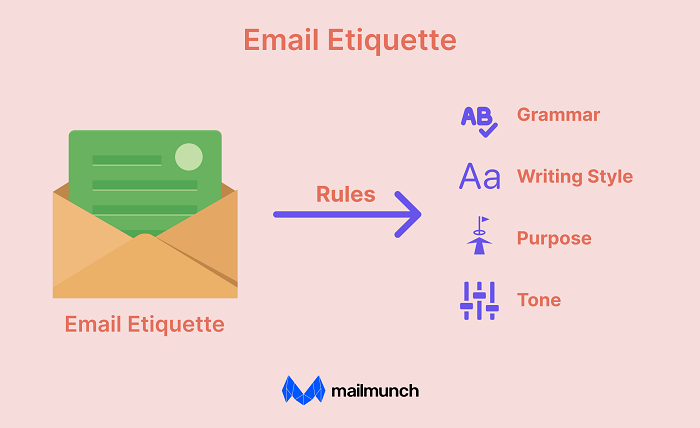
To master emailetiquette, you need to understand its core components. Each element contributes to how your message is perceived and ensures effective communication.
First, a clear and relevant subject line is essential in emailetiquette. It helps the recipient understand the purpose of your email immediately. Second, proper greetings and closings are important in maintaining professionalism. Addressing someone appropriately shows respect and adherence to emailetiquette.
Tone is another critical aspect of emailetiquette. Your message should be polite, neutral, and respectful. Avoid overly casual language unless you have an established informal relationship. Additionally, structure and formatting matter in emailetiquette. Use short paragraphs, bullet points, and spacing to make your email easy to read.
Finally, proofreading is a must in emailetiquette. Errors in spelling or grammar can undermine your credibility. Always review your message before sending to ensure it aligns with emailetiquette standards.
Common EmailEtiquette Mistakes to Avoid
Even experienced professionals sometimes overlook emailetiquette, leading to common mistakes that can easily be avoided. One frequent error in emailetiquette is using vague or misleading subject lines. This can confuse the recipient and reduce the chances of your email being opened promptly.
Another mistake in emailetiquette is writing overly long emails. Lengthy messages can overwhelm the reader and dilute your main point. Keeping your email concise is a key principle of emailetiquette. Similarly, neglecting proper greetings or sign-offs can make your email seem abrupt or unprofessional.
Using inappropriate tone is also a violation of emailetiquette. Writing in all caps, using excessive exclamation marks, or sounding overly demanding can create a negative impression. Additionally, forgetting to reply or delaying responses breaks emailetiquette and may harm relationships.
Attachments without explanation are another oversight in emailetiquette. Always mention and briefly describe any files you include to maintain clarity and professionalism.
EmailEtiquette for Workplace Success
In the workplace, emailetiquette is a critical skill that directly impacts your career growth. Following proper emailetiquette ensures that your communication is clear, respectful, and effective, which are qualities valued in any professional setting.
One important rule of emailetiquette in the workplace is to be mindful of your audience. Tailor your tone and content based on whether you’re emailing a manager, peer, or client. Respecting hierarchy and maintaining professionalism are key aspects of emailetiquette.
Timeliness is another essential factor in emailetiquette. Responding promptly shows that you value the recipient’s time and are engaged in your work. Delayed responses can disrupt workflow and reflect poorly on your commitment.
Confidentiality also plays a role in emailetiquette. Avoid sharing sensitive information unless necessary and always double-check recipients before sending. Proper use of CC and BCC fields is another important part of emailetiquette that helps maintain transparency and privacy.
EmailEtiquette in Personal and Casual Communication
While emailetiquette is often associated with professional settings, it is equally important in personal communication. Practicing emailetiquette in casual emails helps maintain clarity, respect, and mutual understanding.
Even in informal contexts, emailetiquette encourages you to be polite and considerate. Starting with a friendly greeting and ending with a warm closing reflects good emailetiquette. While the tone can be more relaxed, it should still be respectful.
Avoiding misunderstandings is another benefit of emailetiquette in personal emails. Clear language and thoughtful wording help convey your message accurately. Emojis and humor can be used, but they should align with the relationship and context to maintain emailetiquette.
Consistency in emailetiquette across both personal and professional communication builds a positive reputation. It shows that you are mindful, respectful, and effective in all forms of written interaction.
Advanced EmailEtiquette Tips for Modern Communication
As communication evolves, emailetiquette continues to adapt to new tools and expectations. Understanding advanced emailetiquette strategies can help you stand out and communicate more effectively.
One advanced tip in emailetiquette is to optimize emails for mobile devices. Many people check emails on their phones, so keeping messages short and well-formatted improves readability. Another modern aspect of emailetiquette is managing email threads. Avoid unnecessary replies and keep conversations focused.
Automation and templates can also support emailetiquette when used correctly. While they save time, they should be personalized to maintain authenticity. Blindly sending generic messages can harm your adherence to emailetiquette.
Another key aspect of modern emailetiquette is cultural awareness. When communicating globally, be mindful of different communication styles and expectations. Respecting these differences enhances your emailetiquette and fosters better relationships.
The Role of EmailEtiquette in Building Relationships
EmailEtiquette is not just about rules—it is about building meaningful connections. Whether in business or personal life, emailetiquette helps establish trust and mutual respect.
Thoughtful communication is at the heart of emailetiquette. Taking the time to craft clear, respectful messages shows that you value the recipient. This strengthens relationships and encourages positive interactions.
Consistency in emailetiquette also plays a role in relationship-building. When people know they can rely on your communication style, it creates a sense of reliability and professionalism. Over time, this can lead to stronger collaborations and opportunities.
Empathy is another important component of emailetiquette. Understanding the recipient’s perspective and responding appropriately enhances communication and fosters goodwill.
Conclusion
EmailEtiquette is an essential skill in today’s digital world, influencing how we communicate, collaborate, and build relationships. From crafting clear subject lines to maintaining a respectful tone, every aspect of emailetiquette contributes to effective communication.
By understanding and applying emailetiquette, you can improve your professional image, avoid common mistakes, and ensure your messages are well-received. Whether in the workplace or personal life, strong emailetiquette helps you connect with others and achieve your goals.
Mastering emailetiquette takes practice, but the benefits are long-lasting. As communication continues to evolve, maintaining high standards of emailetiquette will remain a valuable and necessary skill.
FAQs
1. What is EmailEtiquette?
EmailEtiquette refers to the set of guidelines and best practices used to write clear, respectful, and professional emails in any context.
2. Why is EmailEtiquette important?
EmailEtiquette is important because it ensures effective communication, reduces misunderstandings, and helps build professional relationships.
3. What are the key rules of EmailEtiquette?
Key rules of emailetiquette include using clear subject lines, maintaining a polite tone, proofreading messages, and responding promptly.
4. How can I improve my EmailEtiquette?
You can improve emailetiquette by practicing clear writing, reviewing your emails before sending, and being mindful of tone and structure.
5. Is EmailEtiquette different for personal and professional emails?
Yes, emailetiquette varies slightly depending on context, but the core principles of clarity, respect, and professionalism remain the same.